Discomfort and cramping
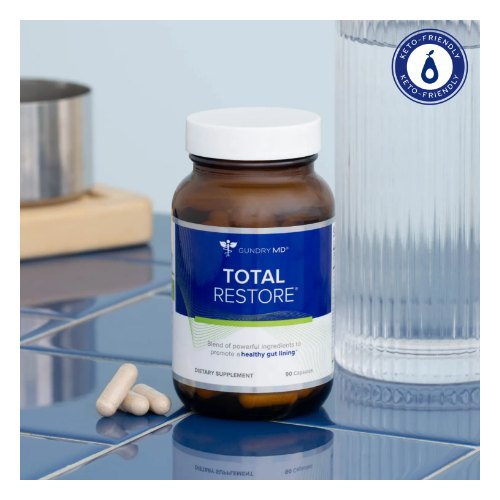
Gundry MD Total Restore
A three-capsule daily formula of L-glutamine, zinc carnosine, N-acetyl-D-glucosamine and a dozen plant extracts.
- Format
- Capsule, once a day
- Type
- Amino acid and herbal
- Cost
- See the price on Amazon
- Customer rating
- See the reviews on Amazon
Not sure it suits your symptoms? The quiz matches one product to you in one to three minutes.
Why it might work
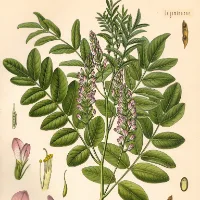
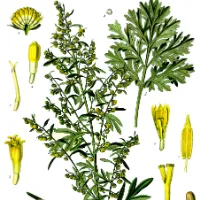
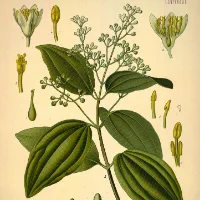
The label combines an amino acid (L-glutamine), a zinc and carnosine compound (zinc L-carnosine), N-acetyl-D-glucosamine, magnesium beta-hydroxybutyrate, and about a dozen plant extracts and powders including grape seed, licorice root, wormwood, cinnamon, maitake and berberine. Glutamine is a fuel for the cells lining the small intestine, and zinc carnosine is studied for its effect on gut-lining stability in laboratory work and in two small human permeability studies, which is the basis of the “gut lining” claim. In trials that measured symptoms, glutamine was given at about 15 g a day, and the zinc carnosine study used 75 mg a day. This label gives 213 mg of glutamine, 10 mg of zinc carnosine and 3 mg of berberine, so the trial results cannot be read across directly. The remaining plant ingredients are each 10 to 58 mg, and no per-ingredient evidence at that level was found.
What the trials show
No study has tested Gundry MD Total Restore as sold. Glutamine improved symptoms and gut permeability in post-infectious irritable bowel syndrome in a placebo-controlled trial (79.6% responders), but at 15 g a day; this label has 213 mg, about one-seventieth of that. The zinc carnosine ingredient, PepZin GI, has a small crossover study in 10 healthy volunteers taking an anti-inflammatory drug, at 75 mg a day; the label has 10 mg. A meta-analysis of glutamine trials found no overall effect on gut permeability.
What the label discloses
Every ingredient has its own amount on the panel, so there is no proprietary blend, and the shellfish source of the N-acetyl-D-glucosamine is stated. The brand says it is made in a GMP facility and tested by an independent laboratory, but names no laboratory and links no certificate of analysis. The wormwood species is named differently on a 2022 label record (Artemisia absinthium) and on today’s page (Artemisia annua), and the licorice is not stated to be deglycyrrhizinated.
Read more on the plants in the formula.

Who this tends to suit
The quiz pairs it with answers that mention bloating, gas, general abdominal discomfort and irregular bowel habits. It is scored for a goal of day-to-day comfort, a steady daily routine or resetting after a course of antibiotics or an upset. Symptoms get Total Restore onto the shortlist; what you have tried, the format you will keep up and your medicines decide whether it stays there.
Where it may not fit
The label supports no added sweeteners, dairy-free and gluten-free. For people pregnant or breastfeeding or taking prescription medication, the quiz excludes it rather than naming it, because that choice belongs with a prescriber. It is a caution about the decision, not a verdict on the product. The honest question before buying Total Restore: will you take a capsule once a day, every day?
Reactions and warnings
The label states that it contains crab and shrimp shellfish and advises talking to a doctor before use with a medical condition or medication.
The questions that come up
Does Total Restore work?
No study has tested Gundry MD Total Restore as sold. Glutamine helped irritable bowel symptoms in trials that used about 15 g a day, and the label has 213 mg. Zinc carnosine kept gut permeability from rising in a 10-person crossover study at 75 mg a day, and the label has 10 mg.
What are Total Restore side effects?
The label lists none beyond a general instruction to talk to a doctor if you have a medical condition or take medication, and it states that it contains crab and shrimp shellfish. The licorice root powder is not described as deglycyrrhizinated, and the glycyrrhizin in whole licorice can raise blood pressure in some people.
How much does Total Restore cost?
On Gundry MD’s site one bottle is $69.95, $49.95 with a free account, or $41.95 on a monthly subscription. A bottle is 30 servings of three capsules, so $69.95 is $2.33 a day.
How does the Gundry MD subscription and refund policy work for Total Restore?
Gundry MD is a Better Business Bureau accredited business rated A+, with a 90-day money-back guarantee and its own Amazon seller account. Some Trustpilot reviewers who bought Total Restore report subscriptions they did not expect, shipments charged before they could return them, and return shipping costs; the brand replies to most and says refunds require returning the product. Trustpilot shows 3.5 from 7,366 brand-wide reviews.
Total Restore vs Bio Complete 3: what is the difference?
Both are Gundry MD capsules at a $69.95 list price. Total Restore is three capsules a day of glutamine (213 mg), zinc carnosine (10 mg), N-acetyl-D-glucosamine and plant extracts, with no probiotic, and it contains shellfish. Bio Complete 3 is two capsules a day of a prebiotic fiber blend (450 mg), tributyrin (300 mg) and two probiotic species (22 mg).
One check first. Gundry MD sells a supplement, not a treatment, and if you are pregnant or breastfeeding, or taking prescription medication the decision belongs with a doctor or pharmacist, not with this page.
Is this the right one for you?
The quiz checks Total Restore against your symptoms, your routine and what you have already tried, and says plainly if something else fits better.
Take the quiz →Free, private, and it names one product.
Alternatives in the same role
Discomfort and cramping: that is the job Gundry MD Total Restore does, and these are the other entries doing it.
See all the products we have researched →
Background reading
Where the numbers on this page come from, explained at length.