Taken with meals
GutPersonal The Digester Digestive Enzymes
A before-meal capsule combining pancreatin, betaine hydrochloride, pepsin, ox bile, bromelain and papain, sold for post-meal bloating and indigestion.
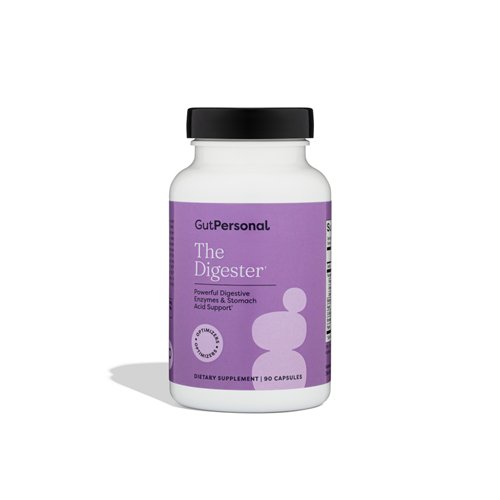
- Format
- Capsule
- Type
- Digestive enzyme
- Cost
- $3.06 per day at two capsules before each of three meals; $1.02 per serving; monthly subscription $2.76
- Customer rating
- 4.71 out of 5 from 21 ratings from gutpersonal.com
What the handful of reviews say
- Less bloating and gas after meals
- Feeling lighter after big meals or eating out
- A steadier stomach compared with other enzyme products
There is not enough independent feedback here to call those themes reliable. Low review confidence — the 4.71 from 21 reviews is shown only on the brand’s own page through a Judge.me widget, there is no Trustpilot profile or retailer listing with a rating, and the one 1-star review carries glowing text.
How it is meant to work
Pancreatin supplies protease, amylase and lipase, which break down protein, starch and fat; bromelain and papain are plant protein-digesting enzymes; ox bile helps emulsify fat; and betaine hydrochloride with pepsin adds acid and a stomach protease. The brand says low stomach acid and missing enzymes cause post-meal bloating and that replacing them reduces it. Nothing on the label shows whether the enzymes survive stomach acid (the capsule is plain gelatin, not delayed-release), how much activity reaches the small intestine, or whether a given person’s bloating comes from an enzyme or acid shortfall in the first place.
On the label
The panel lists nine ingredients with individual amounts and activity units for the pancreatin components, pepsin, bromelain and papain, and no proprietary blend: 350 mg of pancreatin, 300 mg of betaine hydrochloride, 150 mg of pepsin, 120 mg of ox bile, 100 mg of bromelain and 100 mg of papain per 2 capsules. The capsule is gelatin and several ingredients are animal-derived, so it is not vegetarian. The brand states third-party testing without naming a laboratory, and no warning text was found on its page.
The encyclopedia pages for its herbs: Papaya. Each gives the plant, its traditional uses, the human trials and the safety record.
The evidence, such as it is
No trial of this product was found. Two small placebo-controlled trials in functional dyspepsia (120 adults taking a fungal multi-enzyme blend for 2 months, and 40 patients taking another branded enzyme complex for 60 days) found better symptom and quality-of-life scores than placebo, but neither used pancreatin, betaine hydrochloride, pepsin, bromelain or papain. A review of dyspepsia treatments called the evidence for digestive enzymes inadequate, and the only record of betaine hydrochloride with pepsin as a supplement is a single case report, so those results may not apply to this product.
Who it fits
The symptoms it is scored against are bloating, gas and symptoms that follow particular foods. The goal it serves is handling meals or day-to-day comfort. The rest of your answers decide whether it is the one for you: what you have tried before, the format you will stick with, and anything that rules it out.
When something else fits better
On diet, the label backs gluten-free and dairy-free. The quiz sets The Digester Digestive Enzymes aside for anyone taking prescription medication and leaves that call to a doctor or pharmacist. It only helps if the capsule is taken as often as the label directs.
Side effects, and who should check first
The few criticisms in reviews are that the effect was not noticed by one reviewer and that the benefit is hard to separate from the brand’s other products. The dose is two capsules before each meal, up to six a day. No warning text appears on the brand’s page; the formula includes betaine hydrochloride and pepsin, so people with stomach ulcers or who take acid-reducing medicine should ask a clinician.
Common questions
Does The Digester work for bloating?
No trial of this product was found. Two small trials of other multi-enzyme blends improved indigestion scores in people with functional dyspepsia, but a 2013 review called the evidence for digestive enzymes inadequate. On the brand’s review widget it holds 4.71 from 21 reviews, and about half of them mention less bloating.
What is in The Digester?
Two capsules have 350 mg of pancreatin (70,000 USP units each of protease and amylase, 5,600 of lipase), 300 mg of betaine hydrochloride, 150 mg of pepsin, 120 mg of ox bile, 100 mg of bromelain and 100 mg of papain. The capsule is gelatin, so it is not vegetarian.
How much does The Digester cost?
A bottle of 90 capsules (45 servings of 2) is $45.95 one time, about $1.02 a serving, which is $3.06 a day at three meals. The page pre-selects the monthly subscription at $41.36; 3-month and 6-month plans are $117.17 and $220.56.
Is The Digester safe, and does it have side effects?
No warning text or side-effect list was found on the brand’s page. Reviewers report no problems, but the formula contains betaine hydrochloride and pepsin, which add acid, so people with ulcers or on acid-reducing medicine should check with a doctor first. It also contains animal-derived ingredients (gelatin, ox bile, pancreatin).
The Digester vs other digestive enzymes, and can I get a refund?
No head-to-head trial was found, and one reviewer says it works better than other enzymes they tried. Unopened bottles can be returned within 30 days, and the Happy Gut Guarantee refunds a first order within 30 days by emailing hello@gutpersonal.com; shipping is not refunded.
Who should ask first. People who are taking prescription medication: a doctor or pharmacist should see The Digester Digestive Enzymes before you do. No supplement diagnoses, treats, cures or prevents disease.
Is it the one for your symptoms?
A few questions about your symptoms and routine, and the quiz tells you whether The Digester Digestive Enzymes or another product is the closer match.
Take the quiz →Three minutes, no account.
Others we researched for the same job
Taken with meals: that is the job GutPersonal The Digester Digestive Enzymes does, and these are the other entries doing it.
See all the products we have researched →
Related reading
Longer reads on the mechanism and the evidence for products like this one.